
What is Microblading?
Microblading is a semi-permanent cosmetic procedure designed to enhance the appearance of your eyebrows by adding fine, hair-like strokes using a handheld tool with tiny needles. This technique creates natural-looking, fuller brows that can last up to 18 months, depending on skin type and aftercare.
Unlike traditional tattooing, microblading uses pigment rather than ink, resulting in softer, more realistic lines that mimic actual eyebrow hairs. The pigment is deposited into the superficial layers of the skin, making the results semi-permanent rather than permanent.
Microblading is perfect for anyone struggling with sparse, patchy, overplucked, or asymmetrical eyebrows. It’s also ideal for those who have lost eyebrow hair due to medical conditions, such as alopecia or chemotherapy, and want to restore a natural-looking brow shape.
The beauty of microblading lies in its ability to create perfectly shaped, symmetrical brows that complement your facial features. Whether you prefer bold, defined brows or a softer, natural appearance, microblading can be tailored to achieve your desired look.
How Does Microblading Work?
The microblading process involves several steps to ensure precision and safety:
Consultation: Your journey begins with a thorough consultation where your technician discusses your preferences, desired brow shape, color, and overall look. Facial features, skin type, and natural brow shape are analyzed to create a custom plan.
Brow Mapping and Design: Using precise measurements, your technician maps out the ideal brow shape to complement your face. This step ensures symmetry and a natural finish.
Numbing: A topical numbing cream is applied to minimize discomfort during the procedure. Most clients report feeling only minor pressure or scratching sensations.
Microblading Strokes: Using a sterile, handheld microblading tool, the technician carefully deposits pigment into the skin with tiny, hair-like strokes that replicate natural eyebrow hairs.
Pigment Application: Additional pigment is applied over the entire brow area to saturate the strokes, ensuring long-lasting, even color.
Healing and Touch-Up: The initial healing process takes about 7-14 days, with full results visible after 4-6 weeks. A touch-up session is recommended after 4-8 weeks to perfect the shape and color.
Microblading requires precision and skill, so choosing an experienced, certified technician is essential for achieving the best results.
Ideal Candidates for Microblading
While microblading suits many individuals, it’s especially beneficial for:
Those with thin, sparse, or patchy brows.
People who want to define, shape, or enhance their natural eyebrows.
Individuals with overplucked or uneven brows.
Anyone with medical hair loss, such as alopecia or chemotherapy recovery.
Busy individuals seeking low-maintenance, long-lasting brow enhancement.
However, microblading may not be suitable for:
Pregnant or breastfeeding women.
Individuals with certain skin conditions, such as eczema or psoriasis in the brow area.
People prone to keloid scarring.
Those with uncontrolled diabetes or blood clotting disorders.
A professional consultation is vital to determine if microblading is the right choice for your needs and skin type.
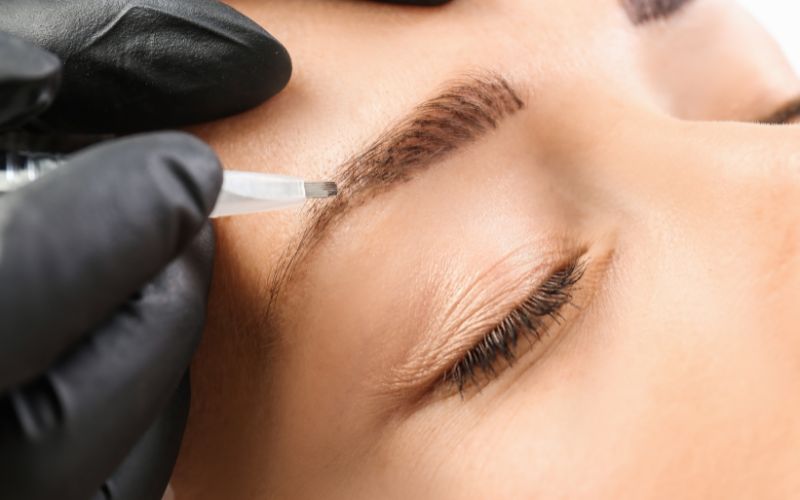
Microblading Eyebrows Before and After
What to Expect Before Microblading
Preparing for microblading is crucial to achieving the best results and ensuring a smooth healing process. Here’s what you need to know before your appointment:
Avoid Blood Thinners: Refrain from consuming alcohol, caffeine, aspirin, or other blood-thinning medications 24-48 hours before your procedure to minimize bleeding and pigment disruption.
No Waxing or Tweezing: Let your natural brow hair grow out so your technician can assess your natural shape and density.
Consult Your Technician: Discuss your desired brow shape, color, and style during your consultation to set clear expectations.
Patch Test: Some salons may perform a patch test to check for allergic reactions to pigments or numbing agents.
Proper preparation ensures that your microblading session is safe, comfortable, and produces the best possible outcome.
The Healing Process Explained
After your microblading procedure, your brows will undergo several stages during the healing process:
Day 1-3: Your brows will appear darker and more defined immediately after the procedure. Slight redness and tenderness are normal.
Day 4-7: Light scabbing or flaking may occur. Avoid picking at the scabs to prevent pigment loss or scarring.
Day 7-14: As the skin heals, the pigment may fade or appear patchy. This is part of the normal healing process.
Week 4-6: A touch-up session is performed to fill in any gaps, adjust color, and perfect the shape.
Following aftercare instructions is critical for ensuring optimal results and longevity of your microbladed brows.
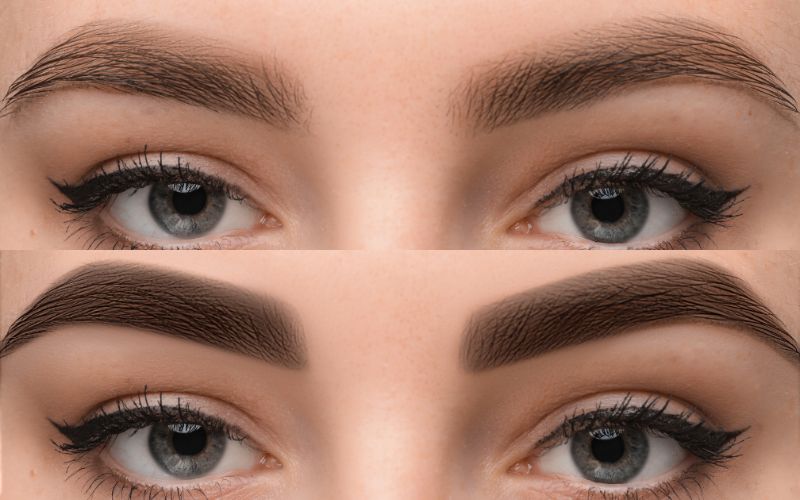
Realistic Before and After Results
Microblading can produce incredible transformations, creating fuller, more symmetrical brows that enhance your natural beauty. However, it’s essential to have realistic expectations:
The results mimic natural hair strokes rather than solid, tattooed brows.
Color may initially appear darker but softens as the brows heal.
Final results depend on skin type, lifestyle, and adherence to aftercare.
A touch-up session enhances color retention and overall appearance.
With proper care, microbladed brows can last 12-18 months, providing a long-lasting, low-maintenance solution for achieving beautifully defined eyebrows.